

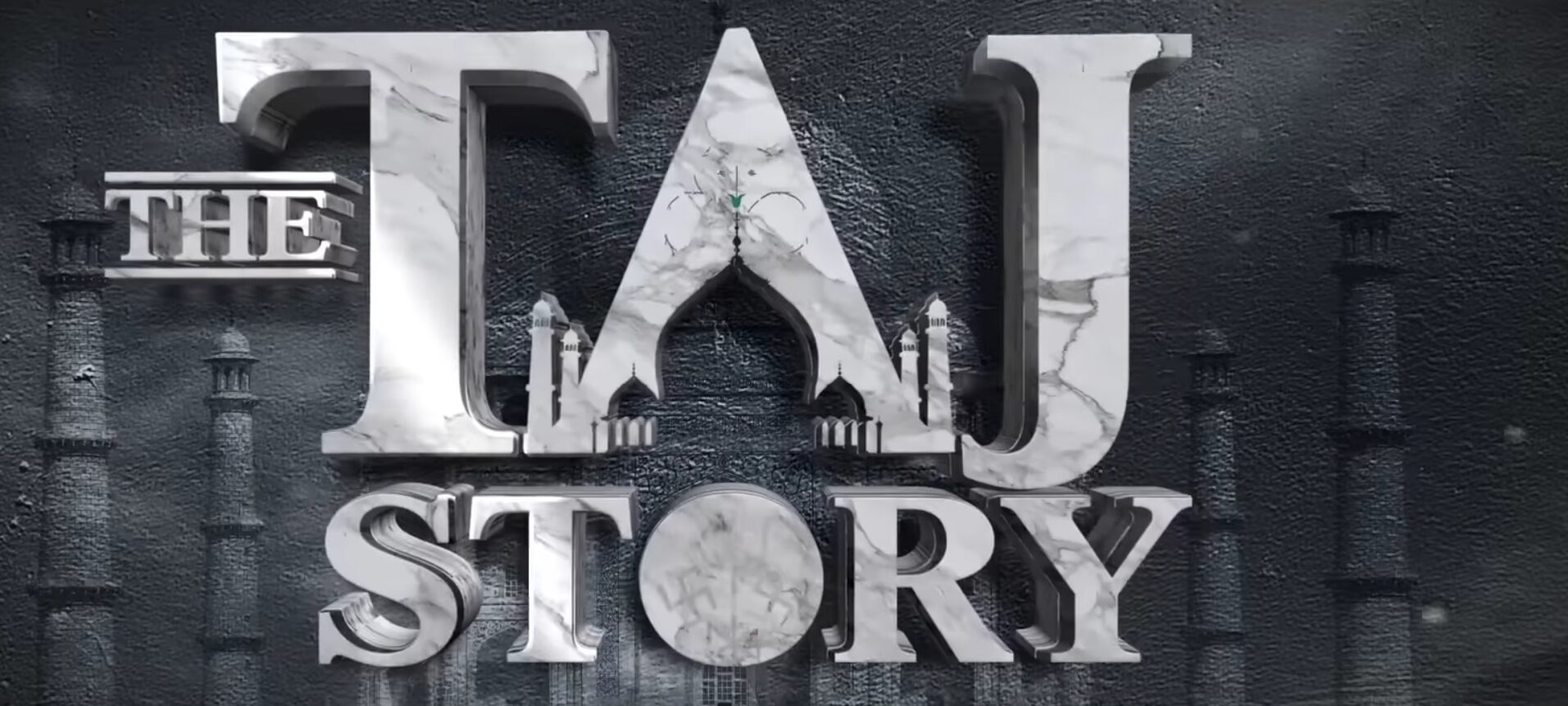
Today we’re diving deep into one of the most talked-about Indian films of 2025 — “The Taj Story.”

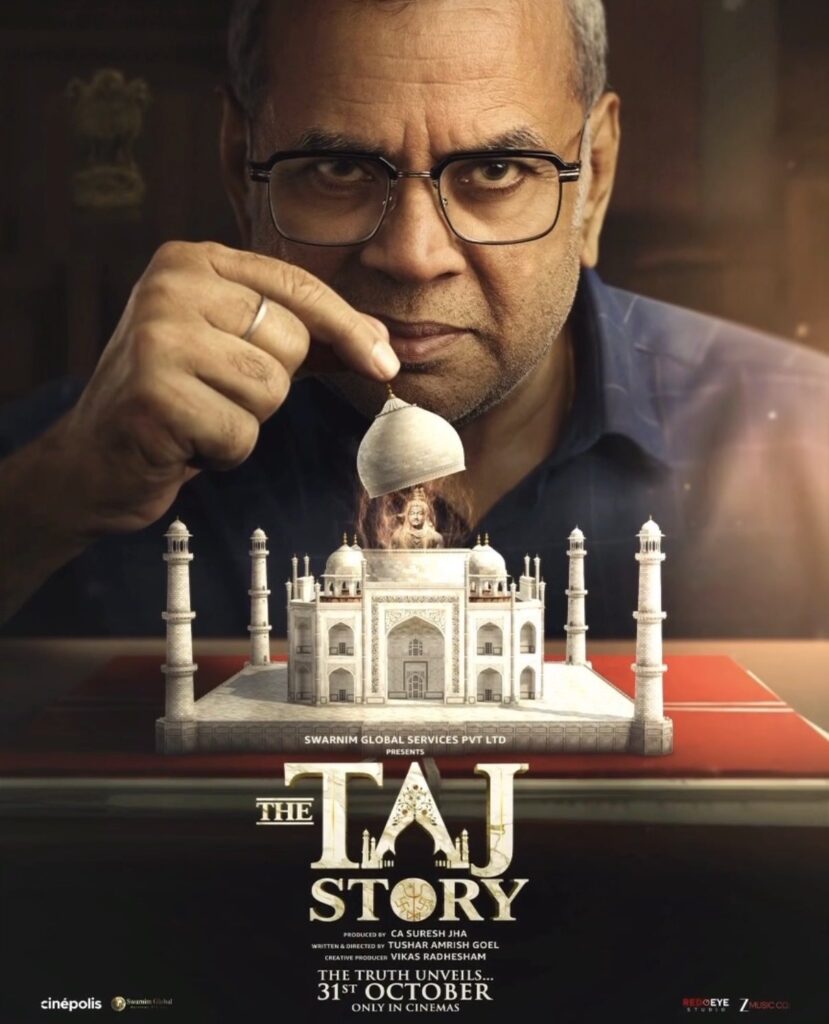
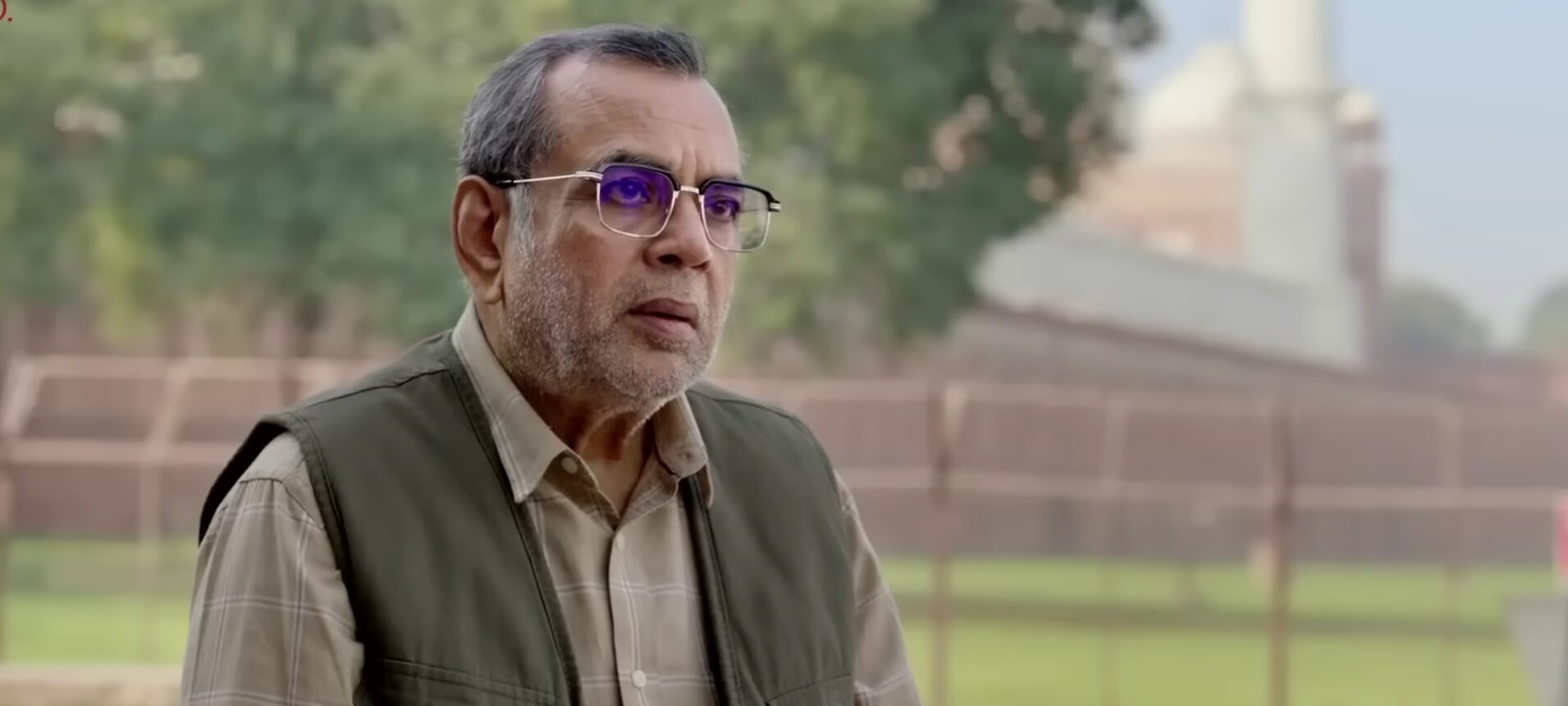
This courtroom drama stars Paresh Rawal as Vishnu Das, a tour guide who dares to question the origins and “secrets” of the Taj Mahal.
The film focuses on the 22 locked rooms of the Taj — a recurring topic in debates and conspiracy theories claiming the monument might hide traces of a Hindu temple beneath it.
But this controversy isn’t new. It’s rooted in a decades-old ideological clash between Hindutva narratives and Mughal history.Let’s break down the real story, historical facts, and the film’s controversy step by step 👇
🏛 1. The Real Historical Story of the Taj Mahal (Established Facts)
The Taj Mahal was built by Mughal Emperor Shah Jahan in memory of his beloved wife Mumtaz Mahal.Mumtaz died in 1631 in Burhanpur during childbirth (her 14th delivery). Stricken with grief, Shah Jahan decided to build a grand mausoleum on the banks of the Yamuna River in Agra.
Construction Details:
Started: January 1632
Completed: Main structure in 1648, fully finished by 1653
Time taken: ~22 years
Workers: Around 20,000 artisans from India, Persia, Turkey, and Italy
Cost: About ₹32 million (roughly $1 billion today)
Chief Architect: Ustad Ahmad Lahauri and his team

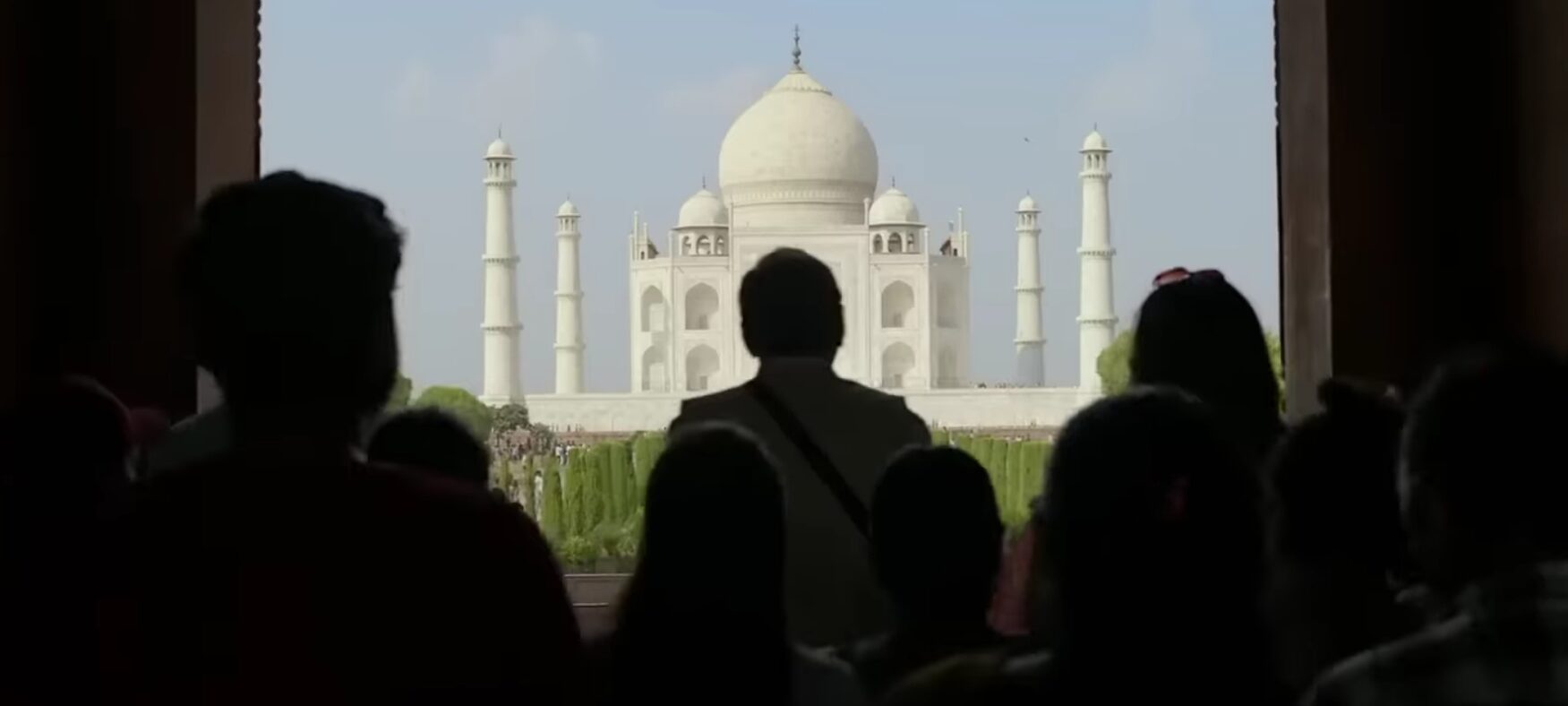
European travelers like Peter Mundy (1630s) and Jean-Baptiste Tavernier (1640s) mentioned the Taj in their diaries, confirming Shah Jahan’s deep sorrow and the monument’s construction timeline.Both ASI (Archaeological Survey of India) and UNESCO recognize it as a Mughal-era monument and a World Heritage Site (1983).👉 No verified historical record supports the claim that the Taj Mahal was originally a Hindu structure.
🔥 2. The Real Controversy: The “Tejo Mahalaya” Theory
This theory became popular in the 1960s–80s, mainly through P.N. Oak, a self-proclaimed historian. His book “Taj Mahal: The True Story” (1989) claimed that:
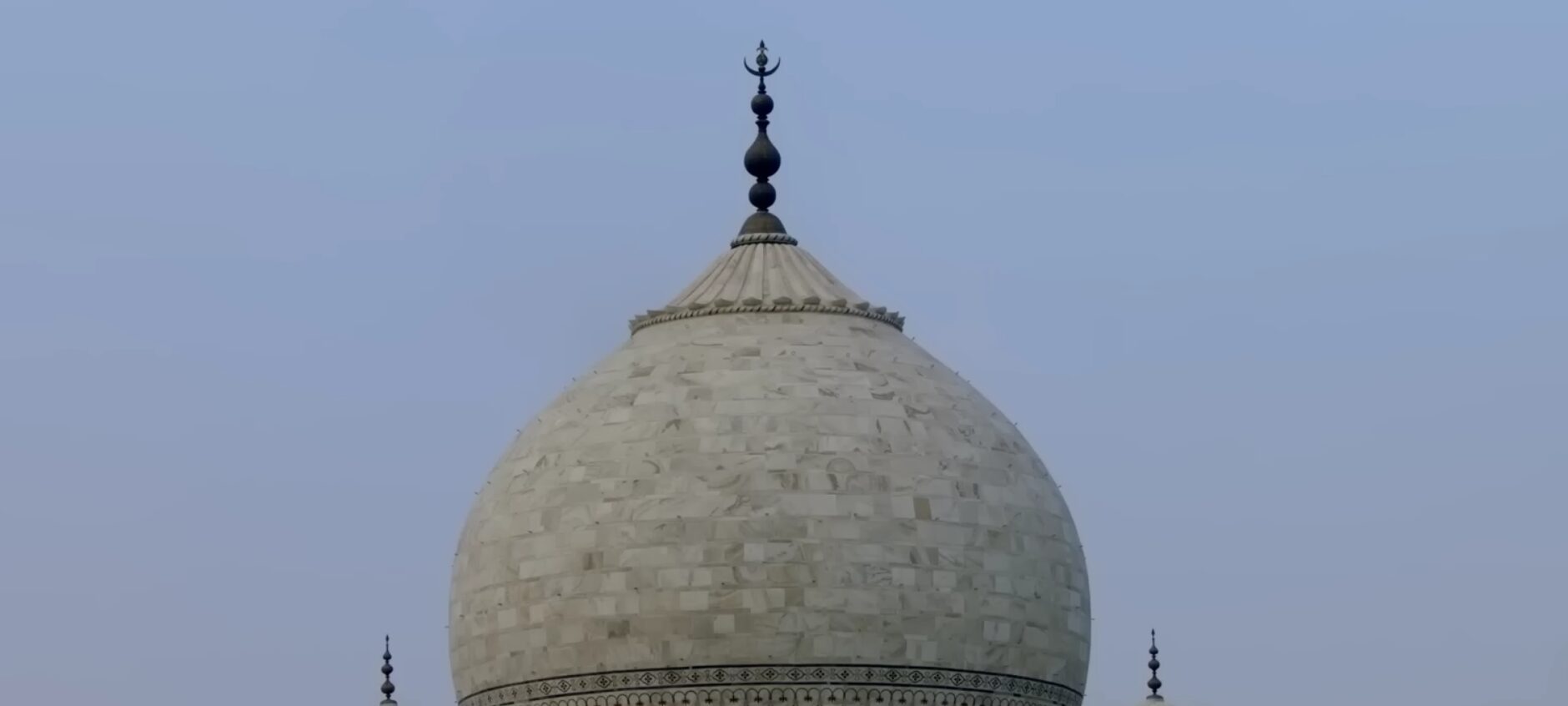
The Taj Mahal was originally a Shiva temple called Tejo Mahalaya, built in the 12th century by King Paramardi Dev (or Jai Singh I).
The name “Taj Mahal” is supposedly a distorted form of “Tejo Mahalaya.”
Shah Jahan allegedly took the land (or temple) from Jai Singh and converted it into a tomb.
The 22 locked rooms hide Shiva idols and Hindu relics.
His so-called “proofs” included:
Lotus motifs and dome shapes resembling Hindu architecture.
Some unverified photos and documents.

Why it’s controversial:
The theory aligns with Hindutva ideology that seeks to reinterpret India’s Mughal history as that of “invaders.”Historians like William Dalrymple and Ruchika Sharma have dismissed Oak’s theory as complete fabrication, citing that:12th-century India didn’t have such Mughal-style architecture.
No land records mention any Shiva temple on the site.Oak’s Supreme Court petition (2000) was dismissed for lack of evidence.
The 22 locked rooms controversy:
Yes, the Taj Mahal has 22 basement rooms — but according to ASI, they’re maintenance and storage spaces, not religious chambers.In 2022, the Allahabad High Court also dismissed a PIL demanding they be opened to “reveal the truth.”

🎬 3. The Film Controversy (2025 Revival)
The film The Taj Story reignited this old debate in 2025.
🔹 The Poster Controversy
In September 2025, the first poster showed a Shiva idol emerging from the Taj’s dome, sparking outrage online.Many called it “propaganda,” “Kashmir Files 2.0,” and “an attempt to polarize audiences.”
🔹 The Trailer released in October 2025, the trailer featured Paresh Rawal saying:> “DNA test the Taj Mahal!”“Truth cannot be buried!”These lines went viral, further fueling the controversy.
🔹 Legal Action BJP leader Rajneesh Singh, who had filed the 2022 PIL to open the Taj’s rooms, accused the filmmakers of using his case without consent
.A Delhi High Court PIL sought a ban on the film, but the court refused an urgent hearing.Despite complaints to the I&B Ministry and CBFC, the film released on 31 October 2025.
🔹 Makers’ Defense Paresh Rawal defended the film, saying:> “It’s based on research, not religion. The poster was for promotion — the film is about facts.”The producers also added a disclaimer that the movie “does not claim the Taj was a temple.” As a result, both sides were upset —Right-wing supporters hailed it as “truth finally revealed”,
Left-wing critics called it “hate-spreading cinema.”
⚖️ 4. Why This Matters
This controversy isn’t just about a movie — it reflects India’s battle between historical facts and belief systems.
The Taj Mahal, a symbol of eternal love, often becomes a political or religious battleground.The debate highlights a crucial question:
👉 Should history be rewritten based on ideology?

👉 Or should it be preserved as recorded fact?—
🎥 5. Audience Reaction
The public response to The Taj Story has been deeply divided.
👎 Critics said:“Pure propaganda.”“Visually dull and confusing.”“Weak writing trying to exploit controversy.”
👍 Supporters said:“A brave attempt to ask uncomfortable questions.”“Makes you think about our history differently.”
So, whether you see it as truth-seeking or agenda-driven, one thing’s certain — The Taj Story has reopened a centuries-old debate that India never fully buried.
—✍️ Final Thoughts
The Taj Story is not just a courtroom drama — it’s a cinematic spark in the long-running fire of historical revisionism.Watch it if you’re curious, but remember:🎭 It’s more fictional speculation than historical revelation.